Factory Cycle Counts: From Difference to Approved Adjustment
Create a factory cycle-count workflow with clear cutoffs, controlled recounts and approved adjustments so physical counts can be reconciled to stock records.
Event-driven automation, AI workflows, APIs, and operating systems.
Search by problem, or narrow by topic.
Create a factory cycle-count workflow with clear cutoffs, controlled recounts and approved adjustments so physical counts can be reconciled to stock records.
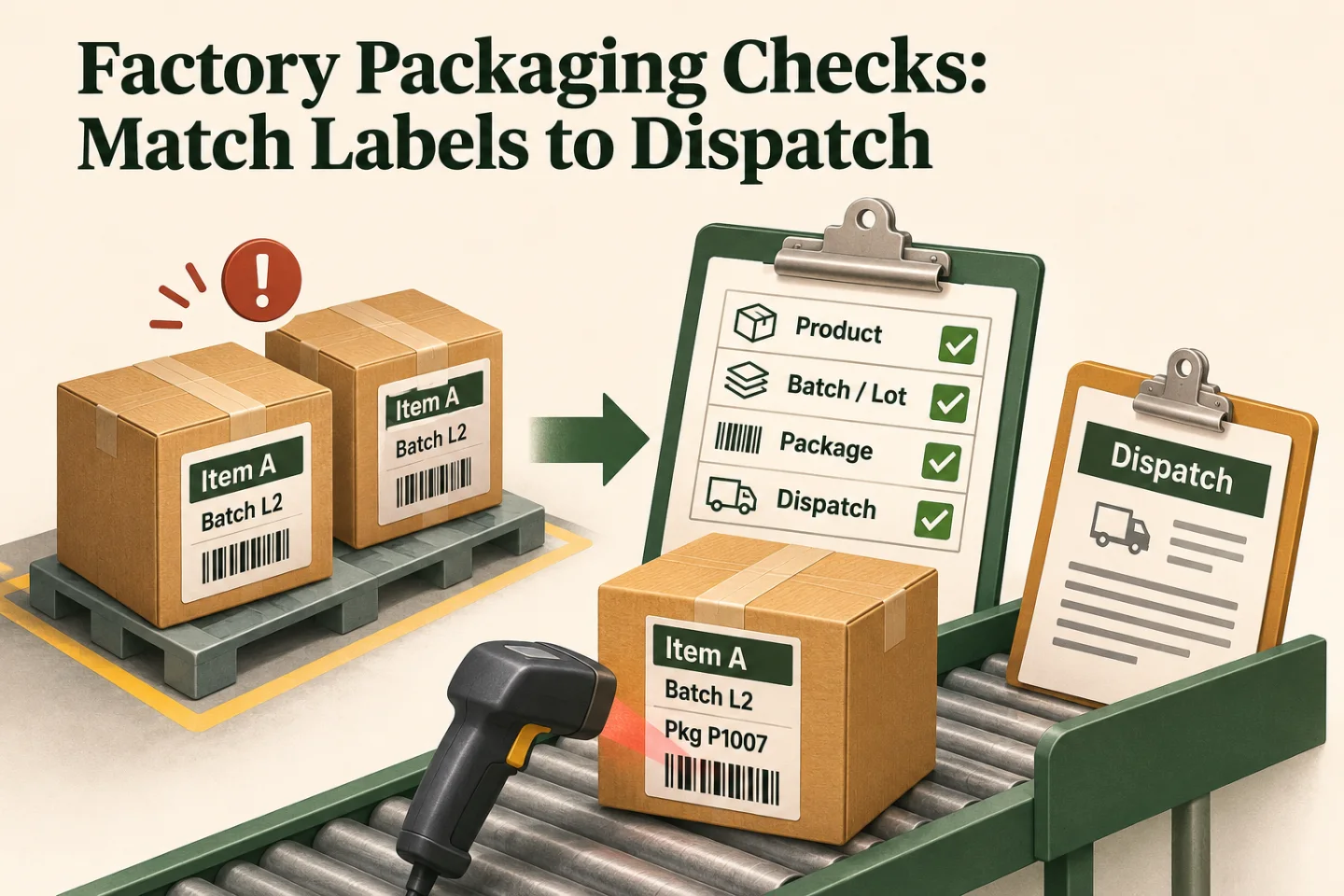
Connect packaging records, approved labels and actual dispatch allocations so teams can identify the correct items, batches and packages before loading goods.
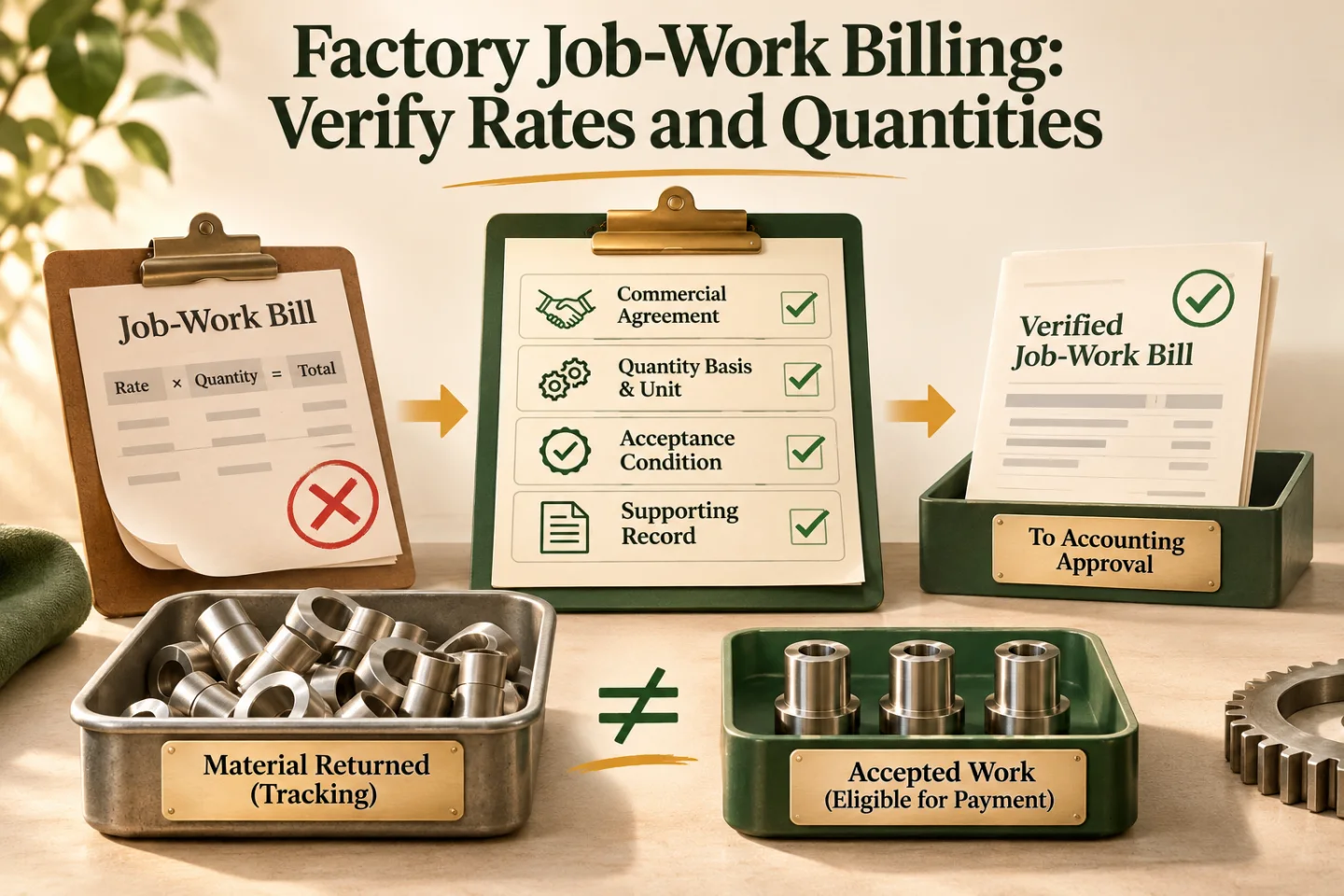
Check subcontractor bills against agreed rate versions, accepted work quantities and job references with an accountable exception and approval workflow.
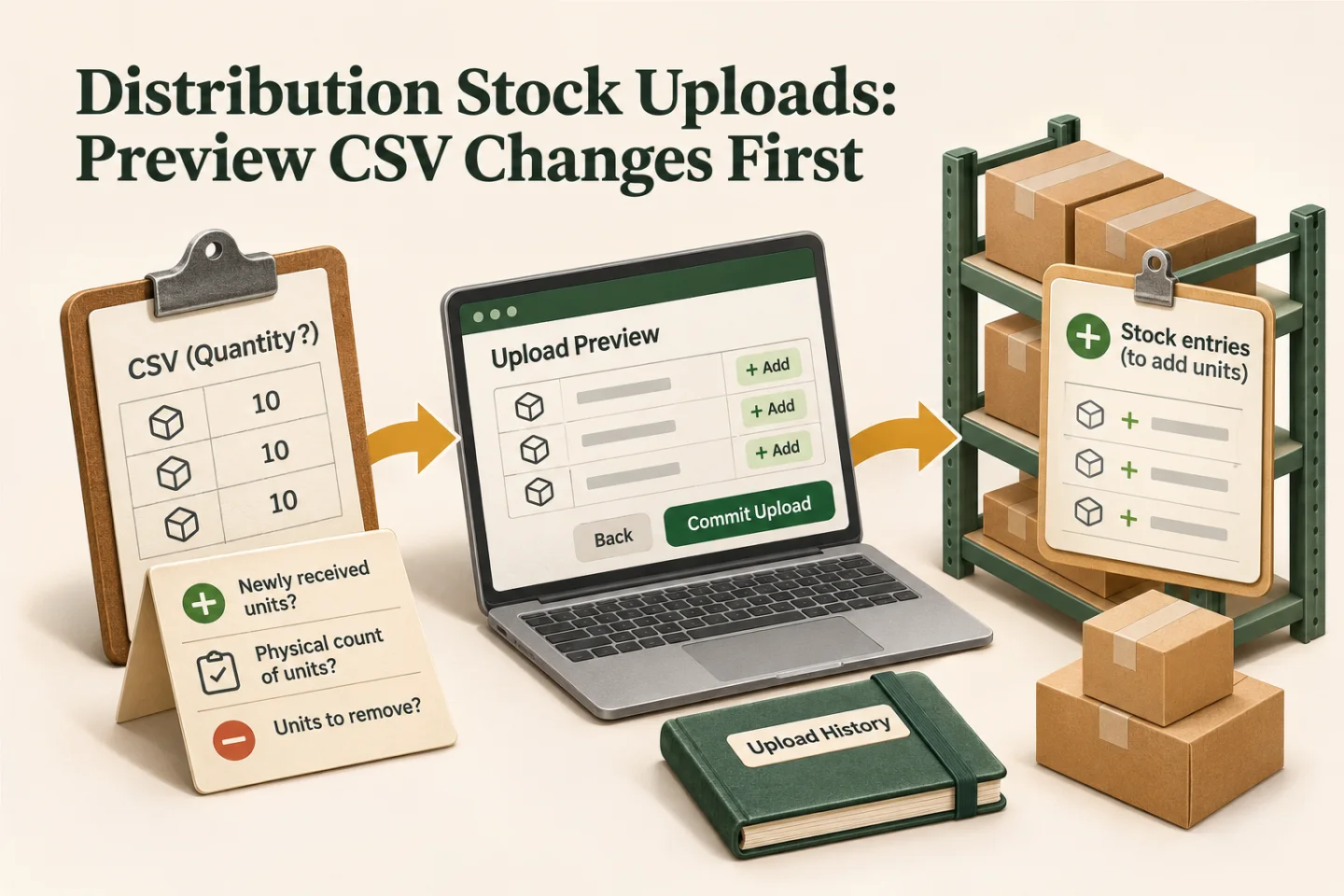
A practical stock-upload workflow from our distribution build: validate SKUs, review quantity changes, enforce access and keep an upload history.
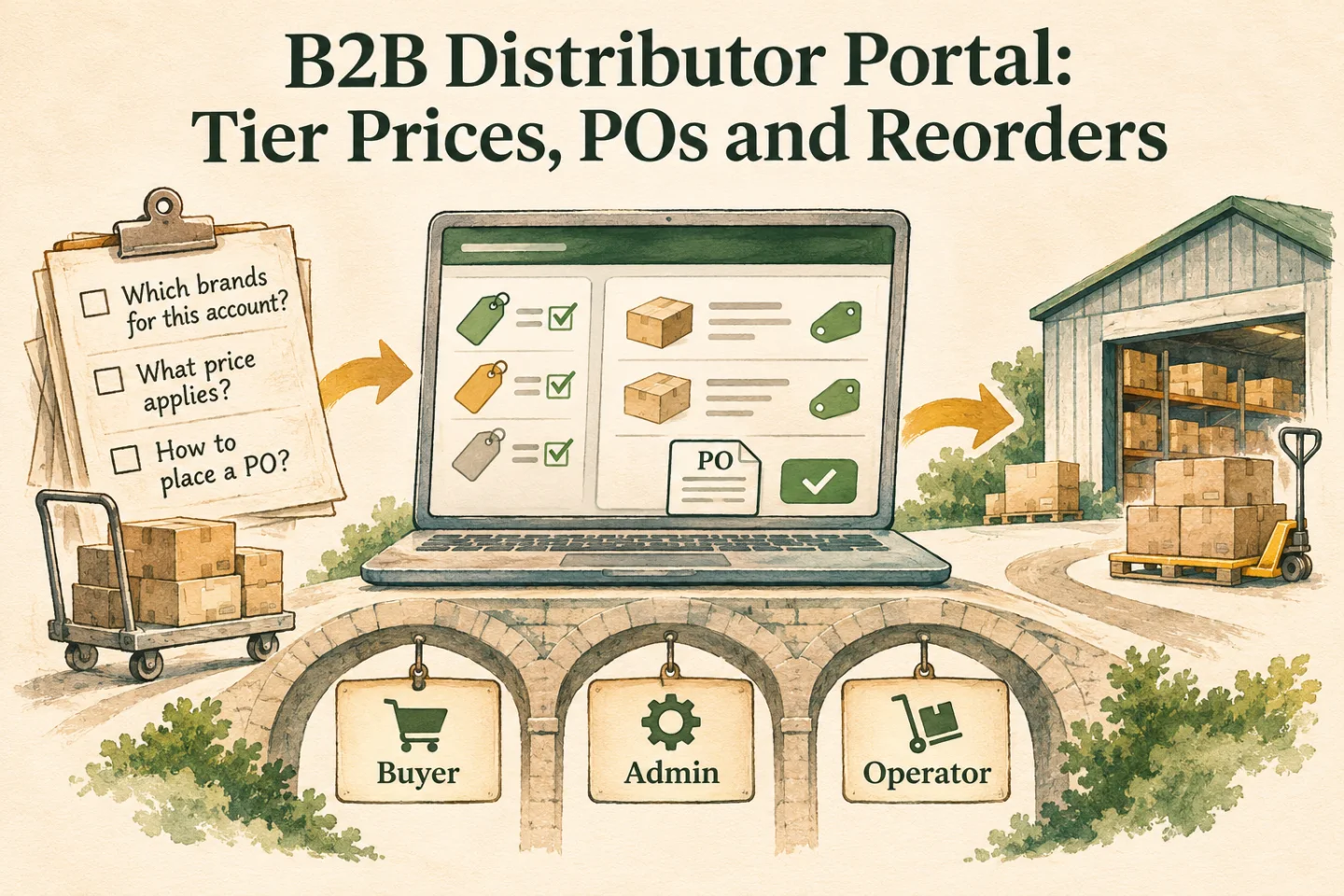
Inside a distributor portal build: customer-to-brand pricing tiers, catalogue visibility, purchase orders, warehouse allocation and reorders.
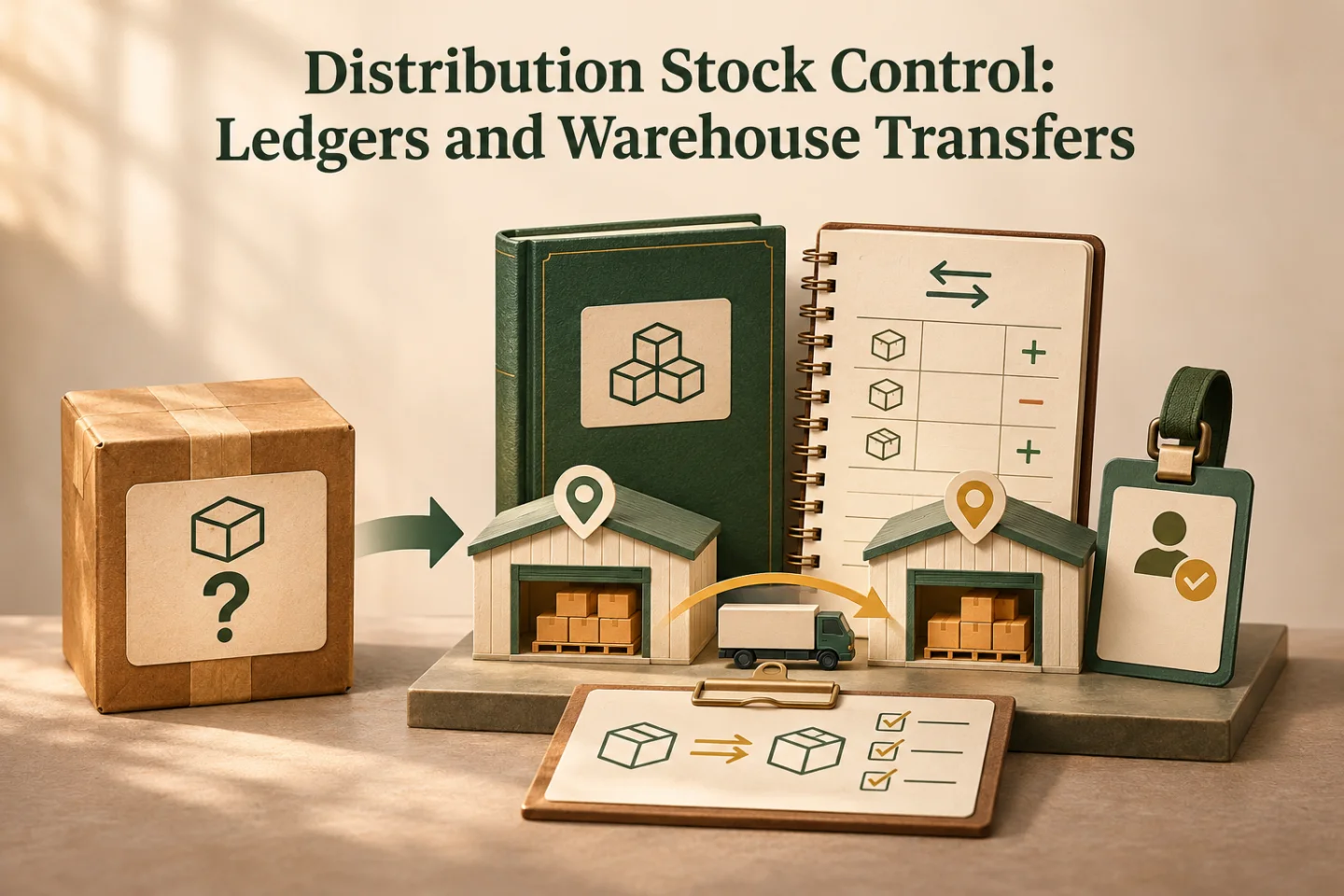
How we approached warehouse stock control in a distribution build, with movement references, operator boundaries and stock transfer review.
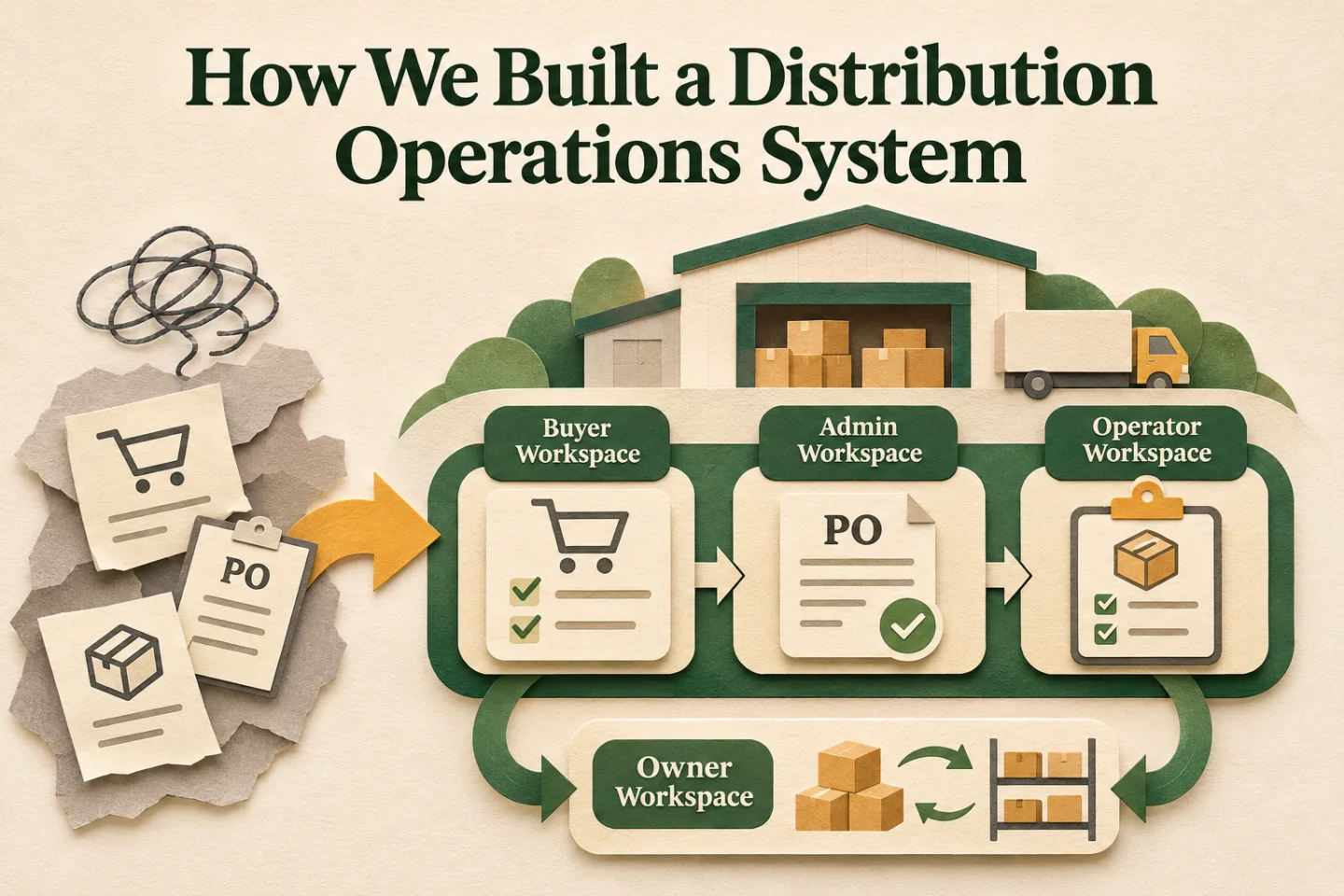
An anonymised distribution software build: buyer catalogues, tier prices, purchase orders, warehouse tasks and stock history connected in one application.
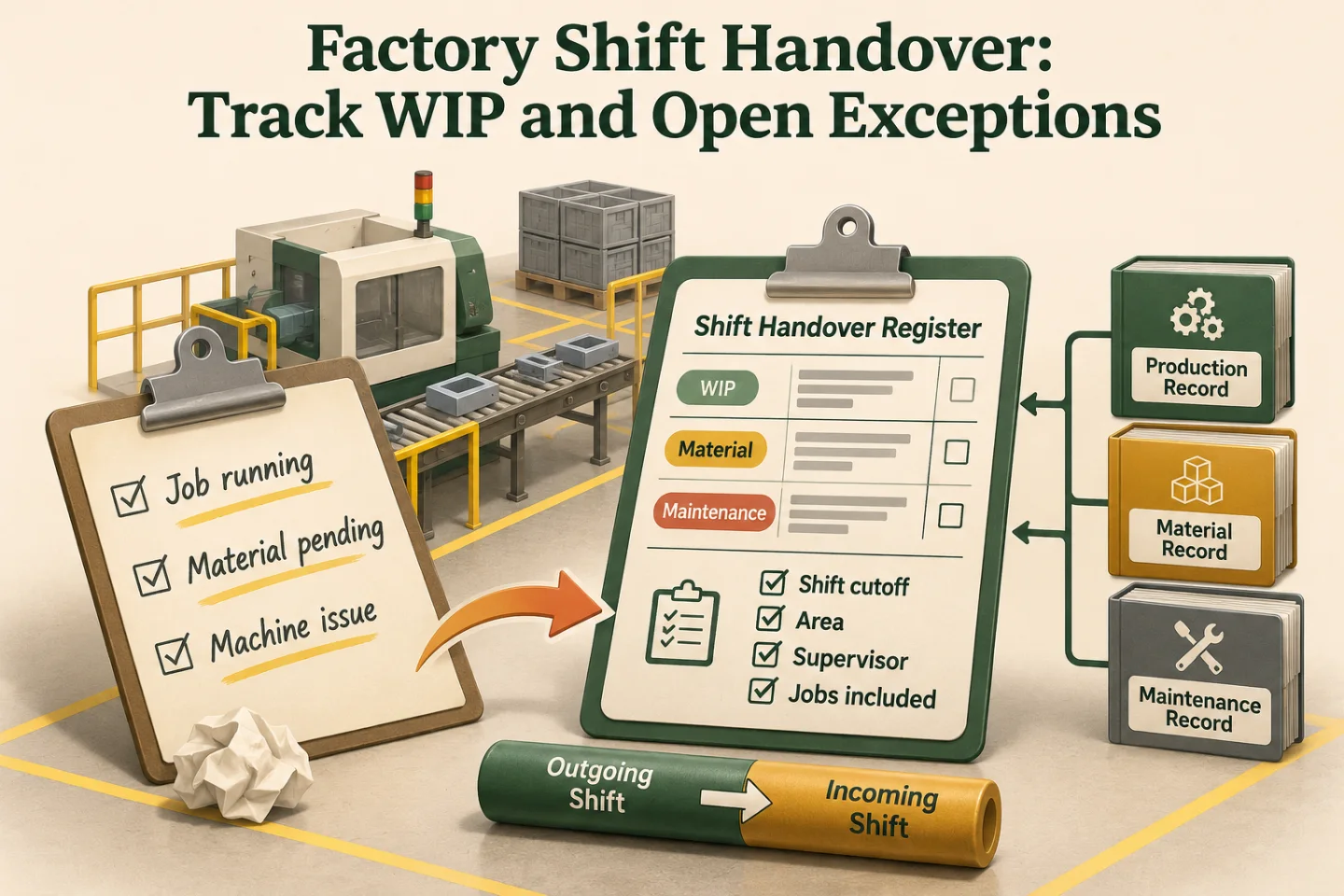
Replace scattered shift messages with a handover register showing work in progress, unresolved exceptions, responsible owners and next-shift decisions.
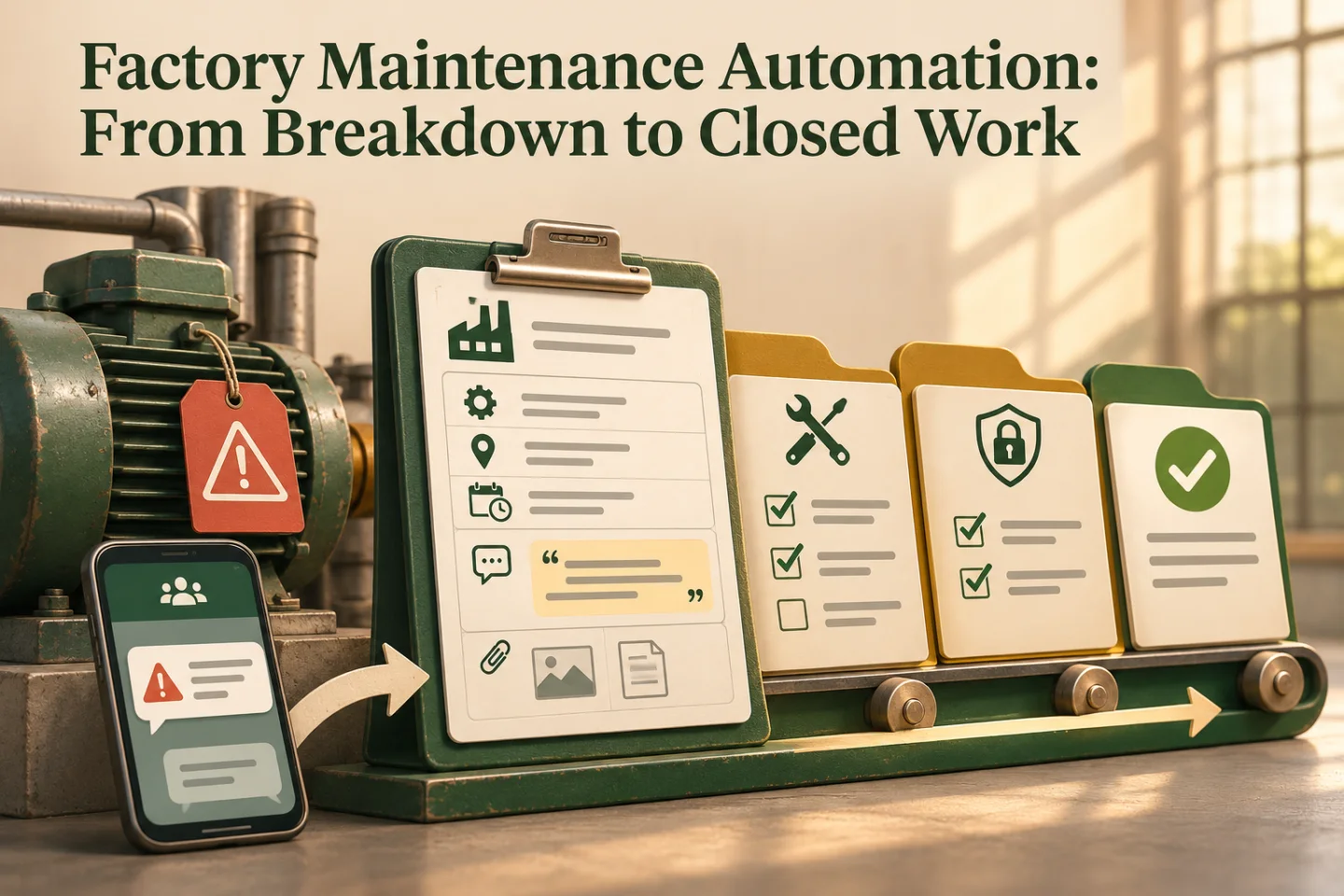
Build an accountable maintenance workflow linking asset faults, work orders, spare-part needs, production coordination and verified completion evidence.
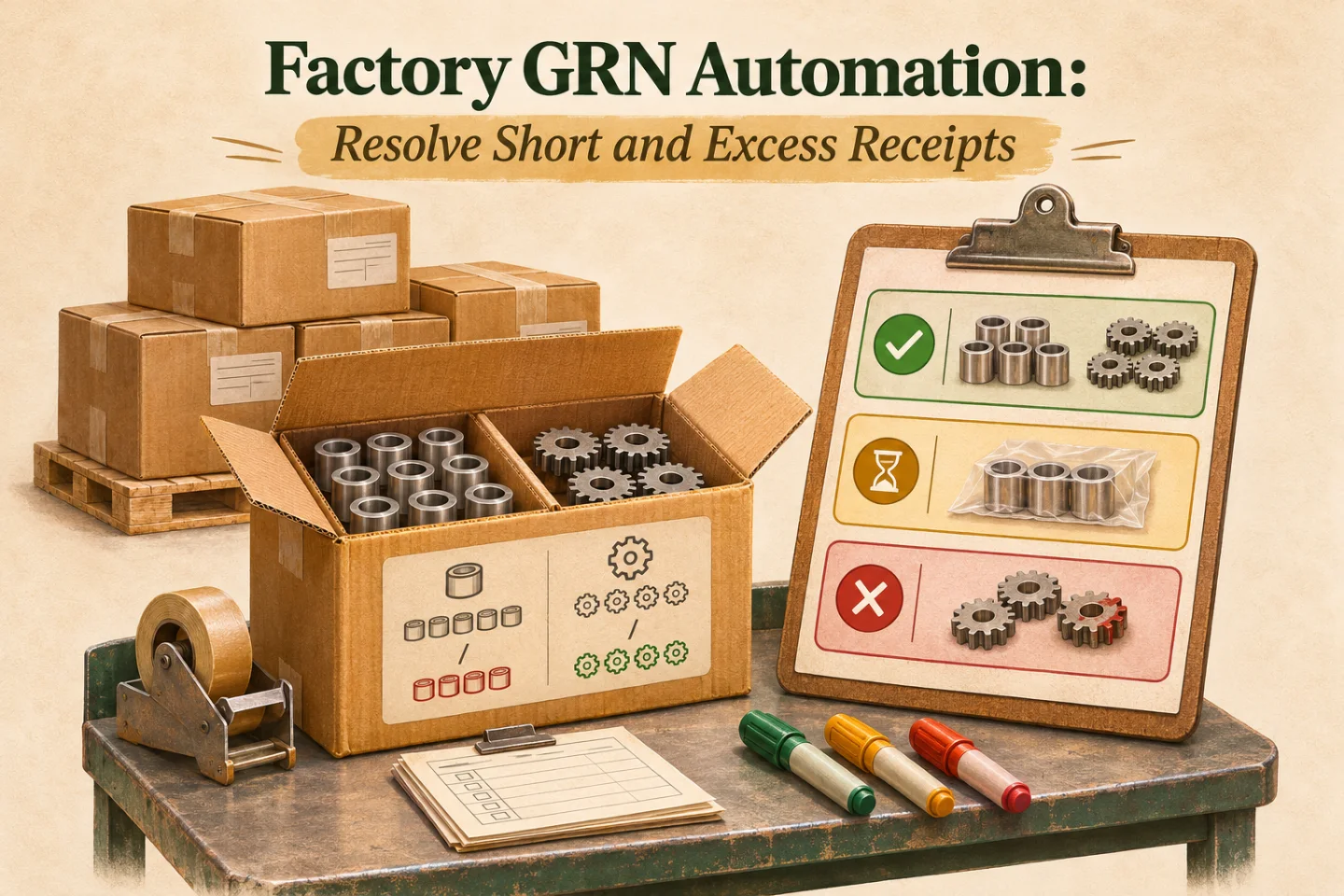
Connect purchase orders, actual receipts and supplier bills with clear quantity exceptions, inspection status and accountable resolution before payment.
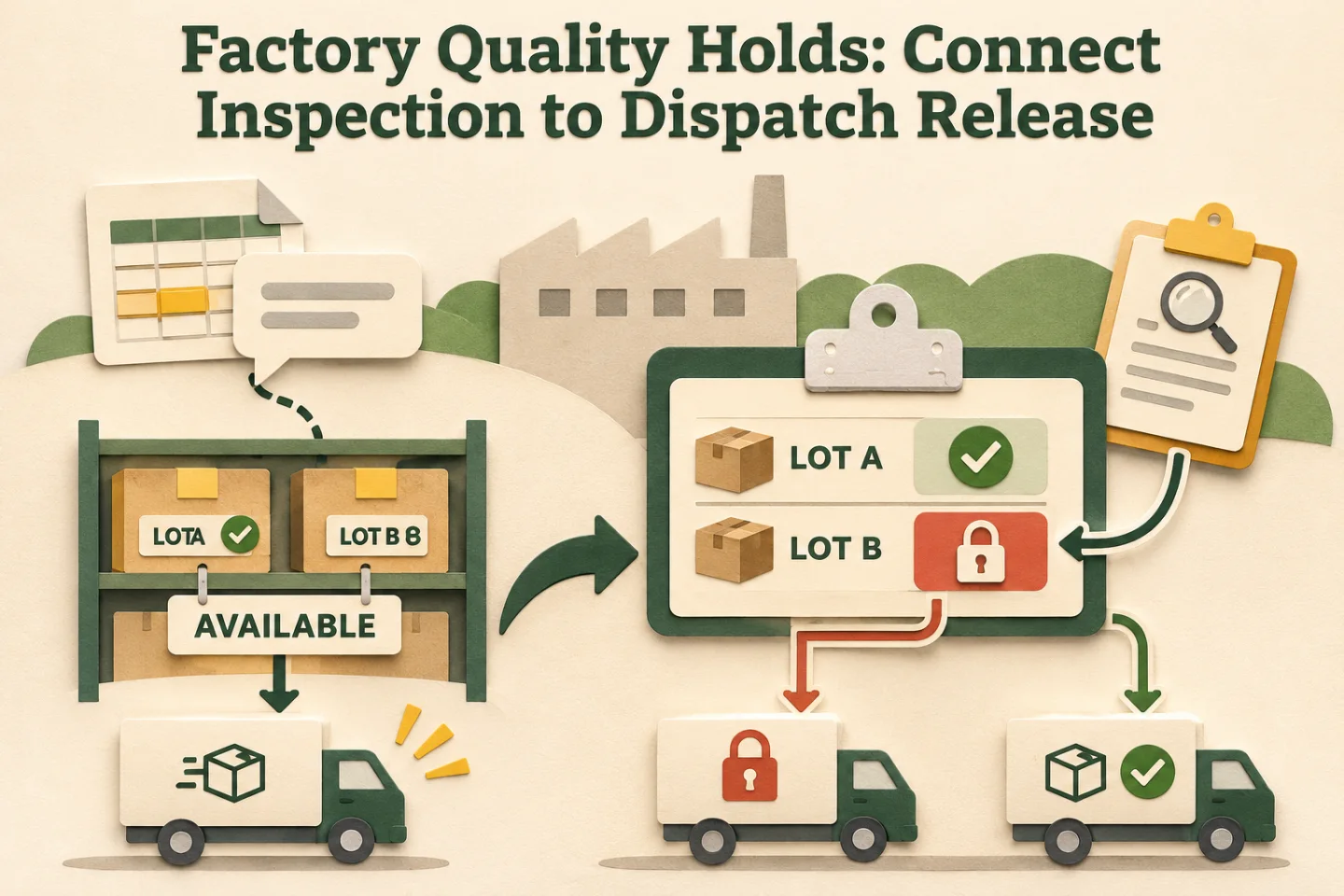
Connect factory inspection outcomes to usable stock and dispatch release with lot references, authorised decisions, rework tracking and visible exceptions.
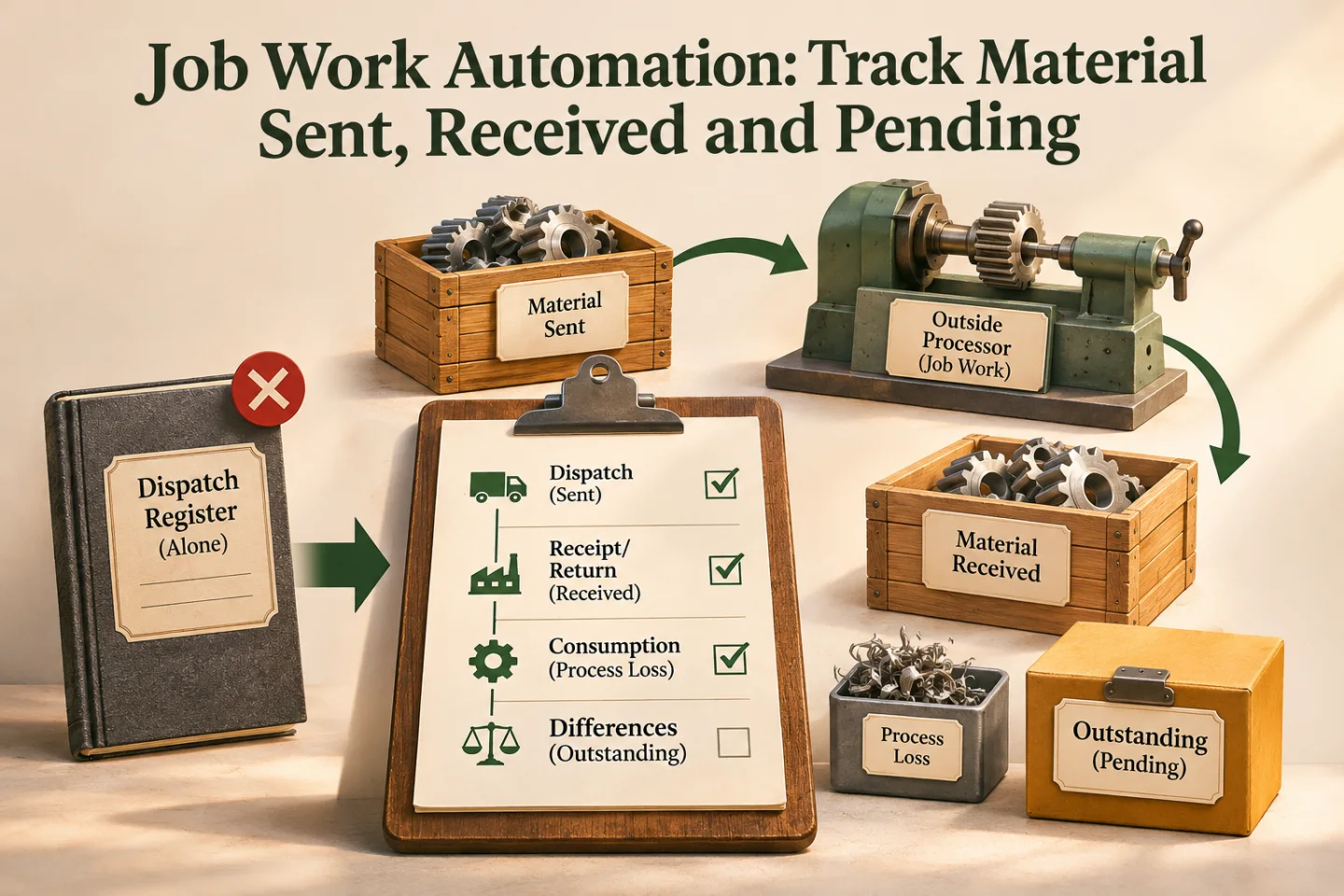
Track outsourced job work with linked material movements, partial receipts, unused returns, scrap review and an accountable outstanding-material queue.